
Sustainable Agriculture

Sub-pages
Garden Resources | Community Garden Program | Garden Forum


We all know that eating health food is necessary to live a healthy life.  In the same way, eating sustainably is necessary for sustainable living and, ultimately, to creating a sustainable community.  What we choose to eat not only affects the health of us and our children, but also the health of our environment and local economies.  The options that we have been given in the shopping centers and restaurants on average have to travel 1500 miles to get to our table, which not only wastes oil but also takes money away from our local farmers and ships it to faraway places, normally into the hands of large international corporations.  Also, these foods are grown in an industrial fashion that allows for e-coli outbreaks and overall have less nutritional value than crops grown right here at home given that they have to be picked before they are ripe so they don’t rot on the way here.

We at Louisville Grows are not telling what you should not eat, these are your choices made in the context of your life, but are rather trying to encourage another, healthier option – locally grown produce and meats.  One way to do this is by fostering Urban Agriculture.

What is Urban Agriculture?

There are three main parts of Urban Agriculture – the cultivating, the processing, and the distribution of food grown in or around an urban area.

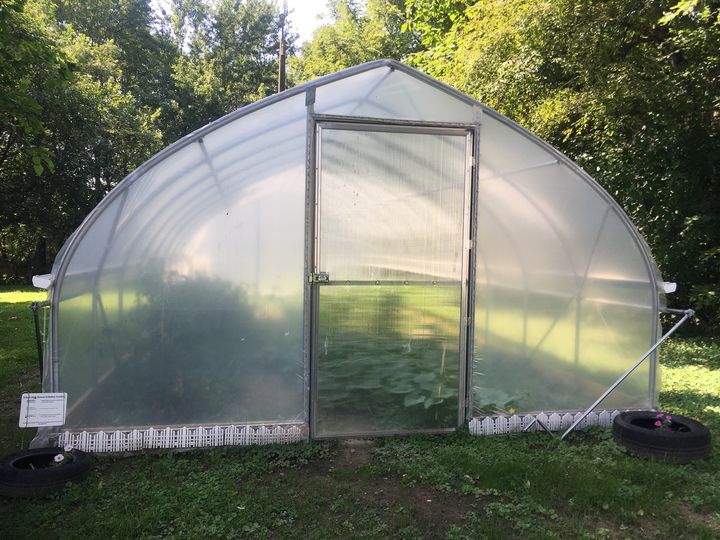
Cultivation can mean anything from a full-scale community garden with multiple plots and a variety of plants or it can mean having a single plant in your kitchen.  One goal that Louisville Grows has is to help every household in the surrounding community start at least one plant that will help feed their family.  We will do this by providing workshops, technical support, and seeds to interested people.  The next step of Urban Agriculture, processing, simply refers to the act of moving the food from the field to a state that is ready to be distributed and distributing means getting it to the table. There are a lot of steps hidden in that sentence, each of which we can help you with.

Why Urban Agriculture?

Urban Agriculture:

  • Creates food security for all regardless of income and living situation by providing good, fresh produce below market costs.
  • Supports local economies by removing some of the economic pressures we feel through the access of fresh produce.  Also, by eating nutrient dense foods, we as a community will be happier and healthier making us more productive at our jobs.
  • Provides environmental rehabilitation by reclaiming lands and using organic farming practices that are proven to rebuild soil and sequester carbon dioxide.
  • Fosters community relationships through creating community meeting places where people of all ages cultivate and share their experiences.
  • Allows for community beatification by reclaiming degraded properties and building green spaces that communities can feel ownership over creating pride in our neighborhoods.
  • Offers recreation and relaxation by giving people a hobby in the fresh air that is separate from day to day toils and can be shared with the whole family.

How do we support Urban Agriculture?

Louisville Grows provides a holding-house for community garden resources including but not limited to: raw material donations, intellectual property, volunteer coordination, and site development.  We also have our garden program that guides groups through the process of starting a community garden while training those involved in sustainable urban agriculture. You can find more information in our Garden Liaison and Community Garden page.

If you are interested in donating to or already have a community garden and are looking for a 501(c)3 to field you donations you can visit out Contribute. Otherwise, if you are simply looking to start a garden please feel free to use our forum page to coordinate your efforts and contact us with any questions you may have.

Also, Louisville Grows is involved in bringing gardens and local foods to schools. This is done in partnership with numerous groups, which are mentioned on our partners web page. If you are interested in this topic please contact us using our contact page.

We are currently working on creating a resources page that will list all of the steps of creating a thriving garden while also providing a list of community resources. If you have any information you feel maybe useful or should be included in this list please contact us. Here is a website with some great information on sustainable agriculture and everything involved with it: ATTRA